
Friday Jummah Rakats: Understanding Structure, Significance, and Impact
Friday Jummah Rakats hold a sacred place in the weekly rhythm of a Muslim’s life. This article explores not only how Friday Jummah Rakats are structured, but also their spiritual importance, community dynamics, and supporting data to give a fuller, human-centered understanding.
What Are Friday Jummah Rakats?
At the outset, Friday Jummah Rakats consist of two obligatory (Fard) units (rakats) of prayer performed immediately after the Khutbah (sermon) in congregation. These replace the regular Dhuhr prayer on Fridays. Additionally, it’s customary for worshippers to pray four Sunnah rakats before and four Sunnah rakats after the Fard, although practices vary.
The Spiritual Significance of Friday Jummah Rakats
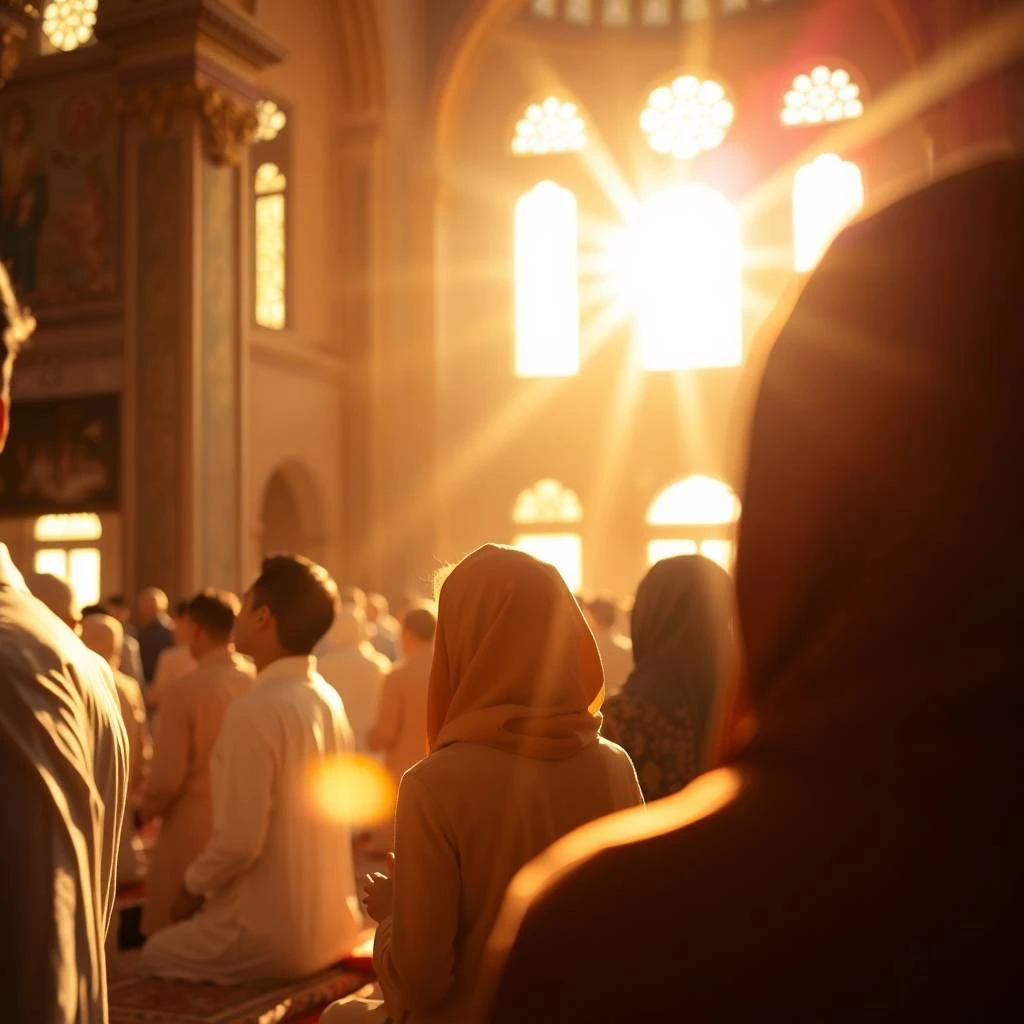
Following the Prophet’s example, Friday Jummah Rakats create a communal spiritual moment: listening to a heartfelt Khutbah, worshipping side by side, and grounding the week in reflection. These rakats are more than ritual—they anchor community and devotion.
Attendance Trends: A Glimpse Through Statistics
To highlight the social dimension, one insightful data point: A 2020 survey by Gallup & Gilani Pakistan found that during early COVID‑19 restrictions, only 29% of Pakistanis reported that a male family member attended mosque for Friday prayers, while 71% said no one did. This speaks volumes about shifting behaviors, public health concerns, and community adaptability.
Rising Religiosity in Pakistan
On a broader scale, the 2018 World Values Survey reported 46.1% of Pakistanis attended religious services at least once a week—up from 28.9% in 2012. This suggests growing religiosity across age groups, particularly among youth and men.
Real-Life Perspectives
“Juma: ~1000 people… I’ve prayed Juma only once inside the prayer hall in 4 years… I have to pray on the footpath every time.”
In Karachi, an observer noted: “I would say 30–40% miss jumma, 70‑80% don’t pray everyday.”
Why Friday Jummah Rakats Matter
- Spiritual Renewal – A weekly recommitment to faith and community.
- Social Bonding – Gathering in congregation strengthens unity.
- Routine and Reflection – The ritual centers our week around mindfulness and discipline.
How to Perform Friday Jummah Rakats (Brief Guide)
- Arrive early, ideally before the Khutbah begins.
- Perform four Sunnah rakats (if your tradition encourages).
- Listen attentively to the Khutbah—it’s an essential part of the ritual.
- After the sermon ends, pray the two Fard rakats of Jummah in congregation.
- Optionally, complete four Sunnah rakats afterward.
For those living in areas with varying daylight hours, such as Canada, timing your day can be essential. For example, many Muslims in Alberta check both Friday Jummah Rakats schedules and Asr time Calgary to ensure they’re aligning their prayers properly throughout the day.
Tips for Meaningful Engagement
- Come prepared—clean clothes, ablution, open heart.
- Engage with the sermon—let it guide your mindset for the week.
- Stay for Sunnah—these extra rakats enrich the worship experience.
- Embrace community spirit—chat with fellow worshippers, volunteer, support others.
In Summary
Friday Jummah Rakats serve as both a spiritual anchor and a communal thread woven into the fabric of Muslim life. The two Fard rakats, framed by Sunnah, are enriched when community gathers, sermons inspire, and hearts align.
The statistic that just 29% of households reported male attendance during COVID‑19 reminds us how external events shape religious expression. Meanwhile, the broader rise in weekly attendance—from 28.9% to 46.1% between 2012 and 2018—hints at a deeper wave of devotion rising among Pakistanis.